
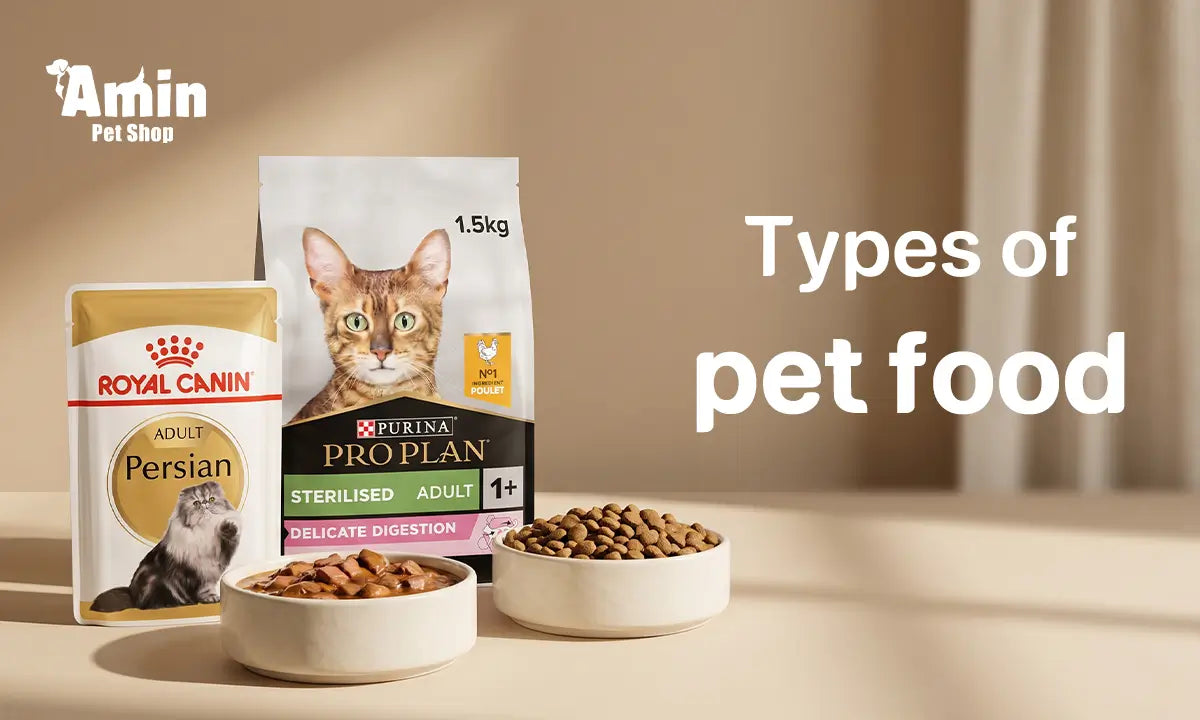
Every pet parent has stood in the food aisle at some point, genuinely unsure which types of pet food is actually right for their animal. It's a real dilemma, not because you don't care, but because there are so many pet food types out there that the choices can feel overwhelming. This guide breaks it all down in plain, honest terms. No two pets are alike, a senior Lab and a Persian kitten live in entirely different nutritional worlds, but getting a handle on what's actually in their bowl goes a long way toward keeping them thriving.
Overview: What Are the Main Types of Pet Food?
Pet food types have come a long way from the days of one-size-fits-all kibble bags. Owners now have a surprisingly wide range of choices at their fingertips, each built around specific dietary goals.
The core categories worth knowing about:
-
Dry kibble
-
Wet or canned food
-
Raw feeding (BARF-style diets)
-
Freeze-dried food
-
Dehydrated food
-
Prescription diets
-
Condition-specific formulas
No single option wins across the board. In fact, plenty of vets suggest mixing formats to hit a more complete nutritional target. Getting familiar with what each types of pet food actually brings to the bowl puts you in a far stronger position than letting a brand's packaging do your thinking for you.
Dry Food vs. Wet Food: The Core Difference
At its core, dry food as Dry Food for Cats is all about convenience, it stays fresh on the shelf, has that satisfying crunch, and is easy to portion. Wet food, on the other hand, packs significantly more moisture, sits closer in texture to actual meat, and tends to win over finicky eaters who turn their noses up at kibble. Neither is universally better; it really comes down to your individual pet's age, health status, and personal taste.
Raw vs. Processed Pet Food: Pros and Cons:
Raw types of pet food goes back to basics, real cuts of muscle meat, organ pieces, and bone, the kind of diet dogs and Best Cat Food Brands thrived on centuries before processed food entered the picture. Packaged foods, canned or dry, take a completely different approach: they're built around long shelf life, safety compliance, and carefully calculated nutrient profiles designed to cover every daily requirement. Both camps have loyal followings, and both carry real trade-offs. There's no blanket right answer, your situation shapes the decision.
How Pet Food Types Differ Between Cats and Dogs?
What is the Healthiest Food to Feed a Dog? Dogs are built to handle variety, their bodies run well on a combination of protein, carbs, and fat. Cats operate on different rules entirely. As obligate carnivores, they have hard biological requirements for nutrients found only in animal tissue, taurine and arachidonic acid being two notable ones. Feeding a cat food engineered for dogs, or the reverse, creates nutritional gaps that can quietly cause harm. Always reach for food designed with your pet's species in mind.
Dry Pet Food (Kibble):
Kibble is the most widely used format globally, and honestly, for good reason. It's economical, easy to store, and available in formulas for every life stage and breed size.
Benefits of Dry Food for Dogs and Cats
Dry types of pet food helps scrape plaque off teeth during chewing, which is something wet food simply cannot do. It's also calorie-dense, which means you feed less by volume. Kibble is ideal for free-feeding households, you can leave it out without worrying about spoilage within the day. For working pet parents or large multi-pet homes, this convenience is genuinely valuable.
Best Dry Food Brands for Dogs
At Amin Pet Shop, the standout dry food options for dogs include Pro Plan (PURINA), which offers breed-size specific formulas like the Medium Puppy OPTISTART and Large Athletic OPTIBALANCE lines. Royal Canin is another cornerstone brand, their Maxi Adult and Mini Adult lines are tailored precisely for dogs by size and age. For grain-free feeding, Belcando Finest Grain-Free Salmon and Beef are excellent European-quality options.
Best Dry Food Brands for Cats
When it comes to cats, Royal Canin stands out for how precisely it targets specific needs, think Indoor 27 for low-activity cats, Persian Adult for that distinctive coat, Hairball Care for chronic shedders, and Urinary S/O for cats prone to bladder trouble. Pro Plan keeps things straightforward with turkey and salmon dry food for adult cats, alongside solid kitten types of pet food.
When Dry Food Is Not Ideal for Your Pet?
That said, dry food isn't a one-size-fits-all solution. Certain pets simply don't do well on it, particularly those dealing with:
-
dental problems
-
difficulty chewing
-
low fluid intake
-
kidney issues
-
a weakened appetite.
When any of these factors come into play, most vets will suggest mixing in some wet types of pet food or transitioning to a diet tailored to the pet's condition. At the end of the day, what goes in the bowl should reflect what your pet actually needs, not just what's easy for you to grab off the shelf.
Wet and Canned Pet Food:
Wet food deserves far more credit than it often gets. It's not just a treat or a topper, for many pets, it's genuinely the better choice.
What's Inside Wet Pet Food?
Wet food typically contains real protein (chicken, beef, tuna, salmon, duck), broth or gravy, and a small amount of thickeners or gelling agents. Quality wet food has minimal fillers and no artificial preservatives. What you're mostly paying for is water and that's a good thing.

Health Benefits of Wet Food (Hydration, Digestion)
Cats in particular don't drink enough water voluntarily. Wet types of pet food, with its 70–80% moisture content, naturally boosts daily water intake, which directly supports kidney function and urinary health. Digestion tends to be gentler too, especially for cats with sensitive stomachs. Royal Canin Digest Sensitive in Gravy 85g and Pro Plan Delicate Oceafish in Gravy are purpose-built for exactly this need, both available at Amin Pet Shop.
Wet Food for Senior Pets and Picky Eaters
Older pets lose muscle tone and often become choosier about texture. Wet food's stronger aroma and softer consistency makes it far more appealing. Felix pouches in chicken, tuna, and beef jelly flavors work wonderfully for finicky cats. Royal Canin Mini Puppy in Gravy and the full Royal Canin senior-oriented wet range cater to aging dogs who need easier chewing and better hydration.
How to Properly Store Opened Wet Food?
Once opened, wet types of pet food should be covered and refrigerated, used within 24–48 hours. Never leave it in the can; transfer to an airtight container. Serve at room temperature rather than cold straight from the fridge, as pets find the aroma more appealing when warmed slightly.
Raw Pet Food (BARF Diet):
Raw feeding has a loyal following, and when done properly, it can genuinely support vibrant health in certain pets.
What Is the BARF Diet for Pets?
BARF stands for Biologically Appropriate Raw Food (or Bones and Raw Food). The idea is to feed pets the way their ancestors ate, raw meat, raw meaty bones, organs, and sometimes vegetables or eggs. No cooking, no processing, no synthetic additives.
Benefits and Risks of Raw Pet Food
Pet owners who've made the switch often notice their animals looking and feeling noticeably different, glossier fur, fewer tummy troubles, less scratching, and more pep throughout the day. That said, the approach carries genuine downsides you shouldn't brush aside:
-
raw meat can harbor dangerous bacteria like salmonella and listeria
-
an unbalanced meal plan can quietly create nutrient gaps over time
-
bones can pose a very real choking or injury hazard.
Getting a vet involved and working from a properly designed plan makes all the difference.
How to Transition Your Pet to a Raw Food Diet?
When it comes to making the actual switch, patience is everything.
-
Drop your pet's usual food down to about 80% and fill the remaining 20% with raw, then nudge that ratio slowly over two to three weeks.
-
Keep an eye on how their stomach responds; softer stools during the adjustment window are pretty normal and tend to sort themselves out.
Best Raw Pet Food Brands and Meal Kits
At Amin Pet Shop, the Halawyat brand brings locally-made dehydrated raw types of pet food to the table, think Halawyat dehydrated chicken, beef liver, and chicken hearts for dogs. These are single-ingredient, minimally processed, and excellent as raw meal components or high-value training treats.
Freeze-Dried and Dehydrated Pet Food:
Freeze-dried and dehydrated as Best Dehydrated Dog Food options sit comfortably in the middle ground between raw diets and standard dry kibble. Both processes draw out moisture to extend shelf life, all while holding onto the nutrients that matter. Pet parents reach for them as:
-
full meals
-
bowl toppers
-
go-to rewards during training sessions
Their following keeps growing as more owners prioritize what actually goes into their pets' bowls.
How Freeze-Drying Preserves Nutrients?
Freeze-drying pulls moisture out of types of pet food at below-zero temperatures, keeping proteins intact, locking in taste, and holding onto the vitamins and minerals that matter. Because there's no heat involved, none of those fragile nutrients get cooked away, something conventional food preparation simply can't claim.
Freeze-Dried vs. Dehydrated: What's the Difference?
While both methods pull moisture out of food, that's pretty much where the similarities end.
-
Freeze-dried options go through sub-zero temperatures, which means the texture stays surprisingly close to fresh, and the nutritional value holds up remarkably well.
-
Dehydrated types of pet food, on the other hand, relies on low heat, it's gentler on the wallet but typically needs to soak before your pet can eat it.
Either way, both make a solid stand-in when fresh food isn't practical.
Top Freeze-Dried Pet Food Brands
The Halawyat dehydrated range at Amin Pet Shop, including dehydrated chicken breast and beef liver, serves as a quality entry point into this feeding style. These products work as standalone snacks or as meal toppers to boost the nutritional density of a kibble-based diet.
Prescription and Specialized Pet Food:
Not every pet eats the same way, and some need food that does a specific medical job.
Grain-Free Pet Food: Who Needs It?
Grain-free isn't automatically "better,” it's specifically useful for pets with confirmed grain sensitivities or allergies. Amin Pet Shop offers both Belcando Finest Grain-Free and Leonardo Grain-Free cat types of pet food, solid picks for pet owners who want grain-free nutrition without cutting corners on quality.
Hypoallergenic Pet Food for Sensitive Stomachs:
When a pet has food allergies, the signs tend to show up as persistent itching, ear infections that keep coming back, or an ongoing bout of loose stools. Pro Plan Hypoallergenic Dog Vet Food works around this by using hydrolyzed proteins, which the immune system largely doesn't flag as a threat. Virbac HPM Allergy Hypoallergenic A2 for dogs and A1 for cats offer veterinary-grade hypoallergenic nutrition.
Weight Management Pet Food Formulas:
Obesity shortens pets' lives. Royal Canin Satiety Weight Management wet food and Pro Plan Light/Sterilised OPTIWEIGHT dry formulas are specifically engineered to satisfy hunger while reducing calorie intake. Portion control matters too, but these formulas make the process far easier.
Senior Pet Food: What Makes It Different?
Senior formulas are lower in calories (to compensate for reduced activity), higher in joint-supporting nutrients like glucosamine and omega-3s, and designed for easier digestion. Belcando Senior Sensitive, Royal Canin Renal wet and dry lines, and Virbac HPM Advanced Kidney & Joint Support for cats are standout options at Amin Pet Shop for aging pets.
The Best Store To Buy Types of Pet Foods:
Picking the right types of pet food is only half the battle, where you buy it matters just as much.
Amin Pet Shop takes the guesswork out of that decision. Every brand on the shelves has been hand-picked for quality and reliability, with names like Royal Canin, Purina Pro Plan, Purina Dog Chow, Purina Cat Chow, Josera, and Taste of the Wild all under one roof.
Whatever your pet needs, daily meals, age-specific formulas, breed-tailored recipes, or vet-recommended options, you'll find genuine products, fair pricing, and a delivery service you can count on.
Conclusion
Understanding the different types of pet food isn't just a shopping exercise, it's how you give your dog or cat a longer, healthier, happier life. Whether you settle on trusted dry food from Pro Plan or Royal Canin, add wet food pouches for hydration support, explore the raw route with Halawyat's dehydrated range, or need a prescription formula from Virbac, every option is available under one roof at Amin Pet Shop.
The most important thing? Match the food to the individual animal, their age, breed, health status, and preferences, not just what's convenient. Your vet is always the best starting point for specific medical needs, and Amin Pet Shop's team is ready to help with everything else.
FAQ
What are the different types of pet food?
Pet food comes in several forms, including dry kibble, wet or canned food, raw (BARF) diets, freeze-dried food, dehydrated food, and prescription or specialized formulas. The right choice depends on your pet's age, health, nutritional needs, and lifestyle.
What is the 25 rule for pet food?
The 25% rule is an AAFCO labeling guideline. If an ingredient makes up between 25% and 95% of a pet food recipe, the product must use a qualifier such as "Dinner," "Platter," or "Entrée." Ingredients making up 95% or more can be used as the product's main name.
What are the 7 different food types?
The seven basic food groups in nutrition are carbohydrates, proteins, fats, vitamins, minerals, fiber, and water. In pet food, labels commonly highlight crude protein, crude fat, crude fiber, moisture, and ash as part of the guaranteed analysis.
What is a Category 3 pet food?
Category 3 pet food refers to ingredients approved under EU regulations for use in commercial pet food. These include safe animal by-products such as trimmings and organ meats that are processed under strict safety standards before being used in pet food.