
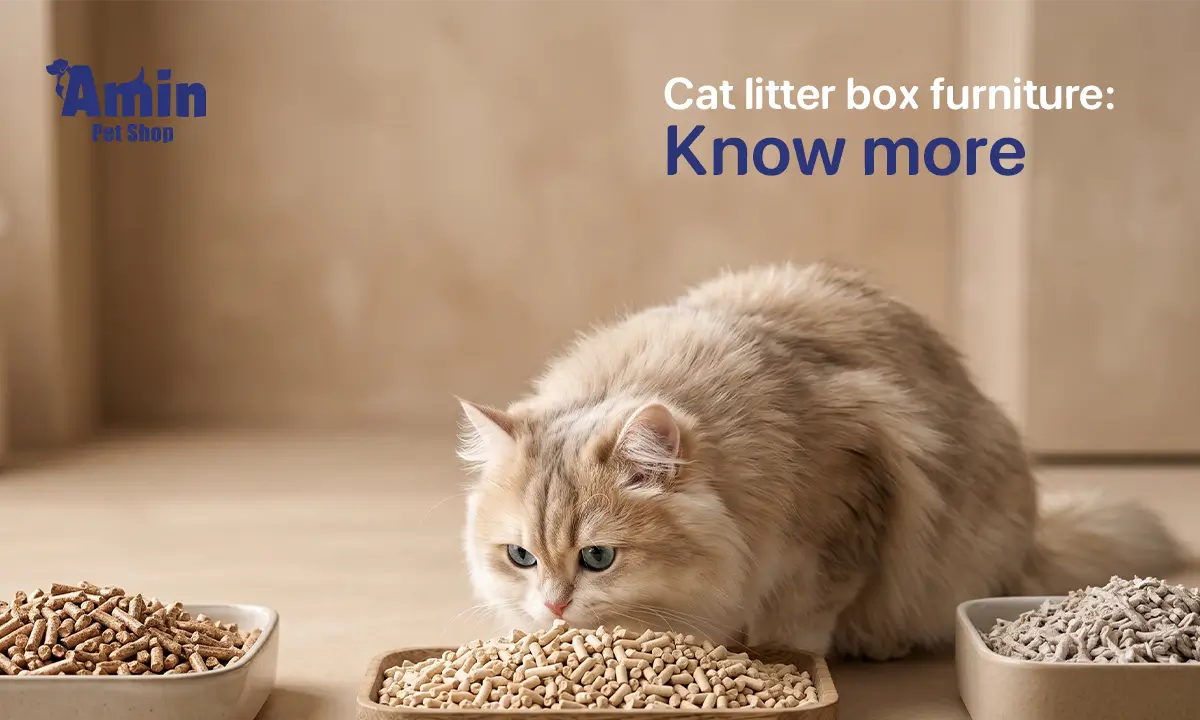
Gone are the days of eyesore plastic boxes tucked behind doors. Cat litter box furniture has quietly become something you'd actually want in your home, pieces that blend into a living room shelf, sit naturally in a hallway, or disappear into a bedroom corner without raising a single eyebrow. This guide covers the full picture, what these pieces really are, which styles and materials hold up best, how to make them work in tight spaces, and where to track down something worth buying for both you and your cat.
What is cat litter box furniture?
Litter box furniture is a double life in wood and veneer. On the surface, sometimes literally, it's a side table, a storage bench, a tidy cabinet that fits right in with the rest of your living room. Pop open a small door on the side, and the illusion breaks just enough to reveal what's really inside: your cat's private bathroom, neatly stashed where no one would ever think to look
The idea is simple but genius. Instead of hiding the litter box behind a curtain or in a cramped closet, you give it a real home, something that blends with your existing décor and keeps messes, odors, and litter scatter contained in one place.
Benefits of hidden litter box furniture
You'd be surprised just how many good reasons there are to make the switch for cat litter box furniture:
-
It Fits Right In: Unlike those clunky plastic eyesores, a furniture-style box actually belongs in a room, guests might not even notice it's there.
-
Say Goodbye to Lingering Smells: The enclosed structure does a solid job of trapping odors before they drift through your home, so your space stays fresh without constant air freshener runs.
-
Litter Stays Where It Should: The raised entry and surrounding walls do most of the work, far less litter ends up scattered across your floor.
-
A Little Privacy Goes a Long Way: Cats don't love feeling exposed. A covered space gives them the quiet, low-stress moment they actually want.
-
Tidying Up Takes Half the Effort: When everything is neatly contained, the daily scoop becomes a two-minute task rather than a drawn-out chore.
-
Built-In Storage Is a Quiet Win: Plenty of these cabinets come with tucked-away compartments, perfect for stashing bags, extra liners, or scoops out of sight and You can buy it from pet shop online Egypt
Best types of cat litter box cabinets
Not all hidden cat litter box furniture is built the same. Here are the most popular styles to consider:
Side Table / End Table Style:
Sits perfectly next to a sofa or bed. From the outside it's just a nightstand, inside, your cat has their own space.
Freestanding Cabinet:
A roomier, floor-standing unit that gives your cat plenty of space to do their thing, many versions throw in a shelf or two up top, handy for tucking away extra supplies.
Bench with Entry Hole:
From the outside, it's just a bench. Guests sit on it, coats pile on top, and somewhere underneath, the cat is perfectly unbothered.
Planter-Style Enclosure:
Designed to look like a large indoor planter. A hole on the side lets your cat enter while it sits on your patio or balcony.
Corner Unit:
Fits snugly into a corner, making smart use of space that often goes to waste in smaller apartments.
Stylish furniture ideas for small spaces
Living in a small apartment with a cat comes with its own set of headaches but your cat litter box furniture doesn't have to be one of them. The trick is knowing what furniture to look for.
-
Slim Cabinets Work Wonders: A narrow cabinet tucked beside your bed or couch barely registers as being there, yet it quietly handles the job without eating into your floor plan.
-
Go Up, Not Out: When horizontal space runs thin, look upward. Pieces that stack storage shelves above the litter area pull double duty.
-
The Console Table Trick: A well-chosen console near your entryway can do more than hold your keys, slide a litter setup beneath it and suddenly there's nothing to explain to guests.
-
One Piece, Two Jobs: The real win is furniture that earns its place twice over — part litter enclosure, part storage cabinet. Every square foot counts when you're working with limited room.
-
Blend It In: Pick finishes and tones that already feel at home on your walls. When the furniture doesn't stick out, neither does what's inside it.
How to choose the right size
The size of cat litter box furniture comes down to one thing: your cat should never feel like it's wedging itself into a tight spot. As a general rule, the interior should be at least 1.5 times your cat's body length.
-
A well-sized space lets your cat step inside, turn a full circle, scratch around, and leave without any awkward maneuvering.
-
The litter tray comes first. Measure it properly, then look for furniture that gives it room to breathe on all sides.
-
Good ventilation isn't optional. When air can't circulate around the tray, you end up with trapped moisture and stronger smells.
-
Not every cat moves the same way. Kittens and older cats benefit from a lower entrance, something they can step through without having to climb or jump.
-
A kitten won't stay small. If you're buying early, go a size up.
Best materials for litter box furniture
What your cat litter box furniture is built from isn't just a cosmetic detail, it quietly determines how long the piece holds up and how well it handles the reality of daily use.
-
MDF with laminate coating: budget-friendly and easy to find, though it tends to soak up dampness over time unless the sealing job is thorough.
-
Solid wood: rich-looking and built to last, but untreated wood and bathroom-level humidity don't mix well. Proper conditioning is non-negotiable.
-
Bamboo: fights off bacteria on its own and shrugs off moisture naturally, which puts it near the top of the list for this specific job.
-
Plastic composite: a wipe-down is all it takes, and smells don't linger. Not exactly a showpiece, but it earns its keep.
-
Rattan or wicker with a liner: undeniably pretty, but the liner isn't optional. Without one, cleaning becomes a genuine headache.

Diy cat litter box furniture ideas
Got a thing for hands-on projects? Making your own litter box hideaway is totally doable right at home.
-
Dig Out an Old Cabinet: That dusty cabinet sitting in your garage? Cut a cat-sized opening into it and you've got yourself a surprisingly chic litter nook.
-
Grab a Storage Bench: A storage bench pulls double duty beautifully, a few tweaks and it becomes a tucked-away spot your cat can slip in and out of without anyone noticing.
-
Raid the IKEA Aisle: Plenty of cat people swear by budget-friendly shelving units or small side tables as their go-to litter box makeover material.
-
Throw Up Some Curtains or Panels: A length of fabric draped across the opening keeps things out of sight without making cleanups a hassle.
-
Toss in a Small Fan: A tiny ventilation fan tucked inside keeps the air moving and the smell from taking over, a small detail that makes a big difference.
Skip the DIY Hassle: We've Done It for You
Browse our hand-picked collection of stylish, cat litter box furniture at Amin Pet Shop.
Explore the Collection →
How to control odors effectively
Even the best cat litter box cabinet won't do you much good if odors creep out. The key is a layered approach.
-
Start with a clumping or crystal litter, these control smell far better than standard clay.
-
Add a thin layer of baking soda beneath the litter for extra absorption.
-
Inside the furniture enclosure, attach a small activated charcoal filter pad to the ventilation hole, these are inexpensive and incredibly effective.
-
Scooping once or twice daily makes the biggest difference.
-
A closed enclosure concentrates odors faster than an open box, so frequency matters.
-
Finally, completely replace the litter every one to two weeks and give the interior of the furniture a wipe-down with an enzyme-based cleaner that neutralizes, not just masks, biological odors.
Cleaning and maintenance tips
Good furniture deserves good upkeep. Here's how to keep your cat litter box furniture in top shape:
-
Line the interior floor of the enclosure with a waterproof mat, easy to remove and rinse.
-
Use a litter mat just outside the entry hole to trap scatter before it spreads.
-
Wipe down interior walls monthly with a pet-safe antibacterial spray.
-
It's worth peeking at the hinges, doors, and side panels every few months, moisture damage tends to develop quietly and can shorten the lifespan of the unit.
-
Plan on refreshing the charcoal filter pads once a month or so to keep odor absorption working the way it should.
-
Reach for gentle, low-scent cleaners rather than harsh products, a strong chemical smell can make your cat hesitant or unwilling to step inside.
Best store where we buy cat litter box
When it comes to finding quality hidden cat litter box furniture that looks great and holds up over time, Amin Pet Shop is one of the best places to start your search. We offer a thoughtfully curated range of cat litter box cabinets and enclosures, try these options:
Whether you're looking for something minimal and modern, warm and rustic, or compact enough for a small apartment, Amin Pet Shop carries options that won't make you feel like you're compromising on either your home or your cat's comfort.
Conclusion
Cat litter box furniture is one of those upgrades that sounds like a luxury until you have it and then you can't imagine going back. It solves one of the most universal frustrations of cat ownership in a way that actually improves your home rather than just moving the problem around.
From sleek cat litter box cabinets to clever bench-style enclosures, there's an option out there for every home size, budget, and aesthetic. The key is choosing the right size for your cat, picking a material that's easy to maintain, and staying on top of regular cleaning so everything stays fresh.
Ready to upgrade? Head over to Amin Pet Shop and find the piece that fits your home and your cat perfectly.
FAQ
Do furniture litter boxes work?
Yes, furniture litter boxes keep the litter area hidden, help stop odors from spreading, and prevent litter from tracking across the floor, all while blending into your home rather than sticking out. Most cats figure out the setup quickly when given a proper introduction.
Why do vets not recommend closed litter boxes?
Vets do not recommend closed litter boxes mainly because of poor air circulation. When a box doesn't breathe well, odors build up inside, and that alone can make cats avoid it. The distinction matters though, a quality piece with thought-out ventilation and cleaned on a regular basis doesn't carry that same risk.
What is the best room to put a cat litter box in?
The best location is a spot that's quiet and doesn't see much foot traffic. Bathrooms, laundry rooms, and spare spaces are all solid options. Anywhere near appliances that run loudly or paths people constantly walk through is better avoided.
Can you put cat food in the same room as a litter box?
Keeping food and litter apart is the stronger choice. Cats instinctively separate eating from bathroom habits, so sharing a room can cause some reluctance. When there's no alternative, push them to opposite sides of the space.