
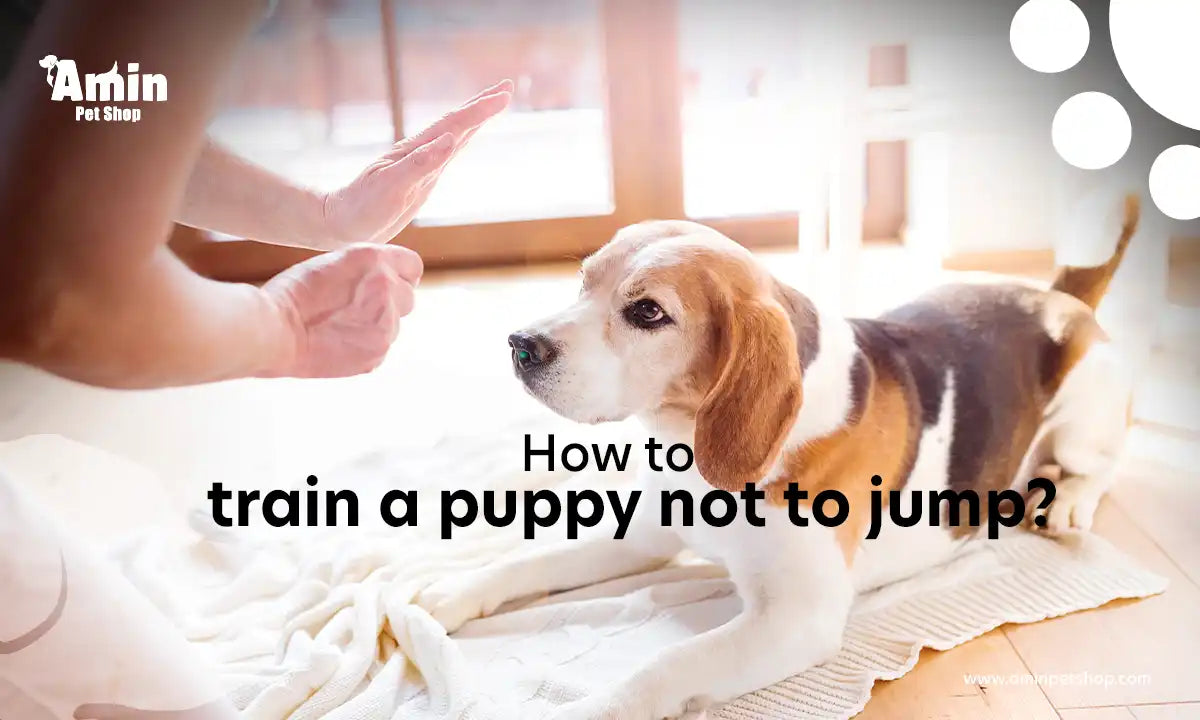
Are you wondering how to train a puppy not to jump on people? Puppies often jump when they're excited, looking for attention, or greeting someone new. While this behaviour may seem adorable at first, it can become a problem as your puppy grows.
Fortunately, with patience, consistent training, and positive reinforcement, you can teach your puppy to greet people calmly while keeping all four paws on the ground.
Let's explore practical training techniques to help your puppy develop better habits.
How to Train a Puppy Not to Jump?
Learning how to train a puppy not to jump starts with understanding that puppies often repeat behaviours that get attention. By rewarding calm behaviour and avoiding reactions that encourage jumping, you can gradually teach your puppy more appropriate greetings.
1. Be a Boring Statue:
When your puppy jumps on you, stand still, avoid eye contact, and keep your hands close to your body. Avoid giving attention until all four paws are back on the floor.
Once your puppy settles down, reward them with gentle praise or affection. This helps them understand that calm behaviour earns attention.
2. Time the Treats Right:
Timing plays an important role in puppy training. Reward your puppy immediately when they keep all four paws on the ground.
Using small dog treats can help reinforce positive behaviour without interrupting the training session.
3. Teach Your Puppy to Sit for Attention:
Instead of allowing your puppy to jump when they want attention, teach them to sit calmly.
Ask your puppy to sit before offering affection, treats, or playtime. With consistent practice, they'll begin to associate sitting with positive rewards.
4. Practice Calm Greetings at the Door:
Puppies often become excited when family members or visitors arrive.
To encourage calm greetings:
-
Wait until your puppy settles before giving attention.
-
Reward them when all four paws remain on the floor.
-
Ask visitors to follow the same rules.
-
Practice short greeting sessions regularly.
Consistency helps your puppy understand what behaviour is expected.
5. Use Positive Reinforcement Training:
Positive reinforcement is one of the most effective ways to teach puppies appropriate behaviour.
Practice simple commands such as "sit," "stay," and "come," rewarding your puppy whenever they respond correctly.
Starting at the right age also makes training easier. Understanding at what age you should start training your puppy can help you introduce commands and positive habits during early development.
6. Manage Jumping With a Leash:
A properly fitted harness and leash can help you manage your puppy during greetings.
Keep the leash relaxed and guide your puppy away from visitors if they become overly excited. Avoid pulling sharply, stepping on the leash, or applying pressure to your puppy's neck.
You can explore suitable dog leashes, collars, and harnesses to support controlled and comfortable training sessions.
7. Encourage Exercise and Interactive Play:
Puppies need regular physical activity and mental stimulation. Without enough opportunities to play and explore, they may become overly excited during interactions.
Age-appropriate walks, interactive games, and dog toys can help redirect excess energy and encourage more balanced behaviour.
How to Prevent Jumping While You Train?
Preventing jumping during training requires a combination of consistency, supervision, and positive reinforcement.
Here are five practical tips:
-
Start With Basic Commands: Practice simple instructions in a quiet environment before introducing distractions.
-
Manage Greetings: Use a suitable harness and leash when necessary to prevent unwanted jumping.
-
Reward Calm Behaviour: Offer praise or treats whenever your puppy keeps all four paws on the ground.
-
Stay Patient: Avoid shouting, pushing, or physically punishing your puppy.
-
Keep Training Engaging: Use toys, short training sessions, and positive rewards to maintain your puppy's attention.
Gradually introduce more challenging situations as your puppy becomes comfortable with the basic commands.
Why Do Puppies Jump So Much?
Puppies naturally explore their surroundings through movement, play, and social interaction. Jumping is one way they express excitement or attempt to communicate.
Understanding the reasons behind this behaviour can help you choose the right training approach.
Excitement and Enthusiasm:
Puppies often jump when they see familiar people, discover new toys, or anticipate playtime.
Their excitement can make it difficult to remain calm, especially when they're still learning how to control their behaviour.
Social Interaction:
Jumping can be part of playful interactions between puppies and other dogs.
However, puppies need guidance to understand that jumping on people is not always an appropriate way to interact.
Attention Seeking:
If jumping consistently results in attention, your puppy may repeat the behaviour.
Even negative reactions, such as shouting or pushing, can sometimes reinforce jumping because the puppy still receives interaction.
Exploration and Curiosity:
Puppies are naturally curious. They may jump to reach objects, investigate unfamiliar surroundings, or get closer to people.
Excess Energy:
Puppies with limited opportunities for exercise and mental stimulation may display more energetic behaviours.
Providing appropriate playtime and regular activity can help manage their excitement.
Learned Behavior:
Jumping can become a habit when it is repeatedly rewarded, even unintentionally.
Teaching alternative behaviours, such as sitting during greetings, helps your puppy develop more appropriate responses.
4 Reasons Why Puppies Jump on People:
Understanding why puppies jump on people is an important part of preventing unwanted behaviour.
1. Seeking Attention:
Puppies may jump because they want affection, playtime, or interaction.
When people respond immediately, the puppy may learn that jumping is an effective way to get attention.
2. Trying to Get Closer:
Some puppies jump to reach a person's hands or face during greetings.
This behaviour is often associated with excitement and curiosity rather than aggression.
3. Inconsistent Responses:
If one family member encourages jumping while another discourages it, your puppy may struggle to understand the rules.
Everyone interacting with your puppy should reward the same calm behaviours.
4. Overexcitement During Greetings:
Visitors, unfamiliar environments, and exciting activities can make it difficult for puppies to remain calm.
Practising controlled greetings can help your puppy learn to manage their excitement.
How to React When Your Dog Jumps?
Your reaction can influence whether your puppy continues jumping or learns a more appropriate behaviour.
Here are six ways to respond effectively:
-
Stay Calm: Avoid shouting or making sudden movements that may increase excitement.
-
Turn Away: Gently turn your body away to avoid rewarding jumping with attention.
-
Keep Your Hands Still: Avoid pushing your puppy down, as this may encourage further interaction.
-
Reward Four Paws on the Floor: Praise or reward your puppy immediately when they stop jumping.
-
Teach an Alternative Command: Ask your puppy to sit and reward them for following the instruction.
-
Practice Consistently: Repeat the same approach during everyday greetings and training sessions.
Developing calm behaviour takes time. Similar positive reinforcement techniques can also help when introducing other care routines, such as learning how to brush puppy teeth without biting, where patience and gradual training are essential.
When Do Puppies Stop Jumping Up?
Some puppies become calmer as they mature, particularly between six months and one year of age. However, jumping does not necessarily disappear on its own.
Without consistent training, jumping may continue into adulthood.
To encourage lasting improvement, reward calm behaviour, teach alternative greetings, and ensure everyone in the household follows the same training rules.
Conclusion:
Learning how to train a puppy not to jump requires patience, consistency, and positive reinforcement. By rewarding calm greetings, teaching simple commands, and providing appropriate exercise, you can help your puppy develop better social habits.
At Amin Pet Shop, you can explore dog treats, interactive toys, and training accessories to support your puppy's learning journey and make everyday training more enjoyable.
Shop Puppy Training Essentials Now
FAQs
Will My Puppy Ever Stop Jumping?
Many puppies become calmer as they mature, but consistent training is important for reducing unwanted jumping. Rewarding calm behaviour, teaching basic commands, and practising controlled greetings can help your puppy develop better habits.
Do Puppies Grow Out of Jumping and Biting?
Puppies may become less excitable as they grow, but jumping and biting behaviours do not always disappear without guidance. Positive reinforcement, appropriate chew toys, consistent training, and supervision can help encourage better behaviour.
How to Stop Your Puppy From Jumping on People?
Teach your puppy to sit during greetings and reward them when all four paws remain on the floor. Avoid giving attention while they jump, and ask visitors to follow the same rules. Consistent practice and positive reinforcement help establish calmer greetings.

