
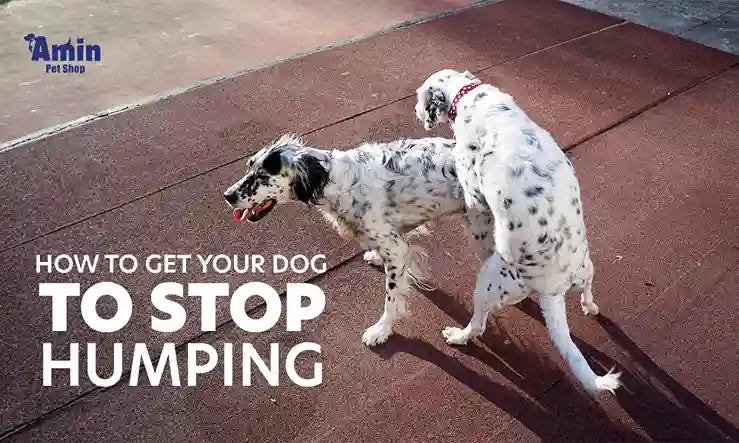
How to get your dog to stop humping? If your dog engages in the embarrassing behavior of mounting, you're not alone! This behavior may be common among dogs, but it can be embarrassing for owners, especially when it occurs in inappropriate places. Although many believe this behavior is purely instinctual, it can have other causes, such as stress, over-excitement, or even an attempt to assert dominance. In this guide, we'll explore the possible causes of this unwanted behavior, as well as effective strategies to help your dog stop it in a positive and effective way.
What Is Humping in Dogs?
The behavior known as humping in dogs is defined as a dog mounting or riding on various objects — whether other dogs, people, or even objects like pillows or toys. While this behavior is often thought to be related to sexual desires, that isn't always the case; it can be an expression of over-excitement, stress, social interaction, or even an attempt to assert dominance.
This behavior isn't limited to males — females can also exhibit it, regardless of whether the dog is neutered or not. In some cases, humping may simply be a way to release energy or seek attention, especially if the dog is suffering from a lack of mental or physical stimulation. So if you're wondering how to get your dog to stop humping, it's important to first understand the underlying cause of the behavior, whether through training, redirecting attention to alternative activities, or consulting a dog behaviorist when necessary.
Why Do Dogs Hump?
Humping behavior is common among dogs, and it isn't always related to sexual urges, as some believe. This behavior can have several different causes,
- Humping may be an expression of sexual desire, especially in unneutered dogs, but it can also occur as a result of excessive excitement when playing or meeting new people.
- Some dogs use it as a way to cope with stress or anxiety, especially in unfamiliar environments. Sometimes, this behavior is related to a dog's attempt to assert dominance over other dogs or even humans.
- Some dogs may also learn this behavior in search of attention, especially if they receive encouraging feedback from their owners.
- On the other hand, humping may be a sign of boredom or a lack of mental and physical stimulation, as dogs resort to this behavior to release their energy. This is especially worth keeping in mind for larger and giant breeds, so pairing exercise with the right nutrition, such as Royal Canin Maxi Joint Care for large adult dogs prone to joint sensitivity, can help them stay active and comfortable enough.
- In some cases, it may be linked to health issues such as urinary tract infections or glandular disorders, which necessitates a veterinary consultation.
Finally, if this behavior isn't corrected from an early age, it can become a habit that is difficult to how to get your dog to stop humping over time.

How to get your dog to stop humping?
Humping behavior can be embarrassing and unwanted, but with proper understanding and training, it can be reduced or completely stopped. Here are some effective ways to address this problem:
Identify the Root Cause of the Behavior:
The first step is to understand why your dog is mounting — whether it's due to excitement, stress, a desire for dominance, or a medical issue. Observing when and where the behavior occurs can help identify triggers and address them more accurately.
Train Your Dog Basic Commands:
Teaching your dog commands like "sit," "stop," and "come" can help distract him when mounting begins. Using positive reinforcement, like treats and praise, when your dog responds to commands can reinforce good behavior.
Redirect Energy Toward Alternative Activities:
Providing interactive toys and chew toys can help keep your dog occupied and reduce the likelihood of mounting. Increasing playtime and daily exercise, such as walking or running, or dog supplements can help release excess energy.
Stop the Behavior Immediately but Gently:
When you notice your dog mounting, calmly interrupt it with a command like "no" or "stop." Avoid yelling or physical punishment, as this can increase stress and reinforce the behavior rather than reduce it.
Reduce the Triggers That Prompt Mounting:
If the dog is exhibiting the behavior due to interaction with other dogs, socialization can be reduced for a period of time until the dog learns the correct behavior. If overexcitement is the cause, the dog can be trained to calm down through impulse control exercises.
Avoid Inadvertently Reinforcing the Behavior:
If the owner laughs or gives the dog positive attention during the mount, the dog may perceive this as a reward and repeat the behavior. It's important to ignore the dog when it exhibits the behavior, and only give it attention when it behaves appropriately.
Consider Spaying or Neutering (in Some Cases):
If the humping behavior is related to sexual behavior, neutering or spaying your dog may help reduce it, but it may not be a permanent solution if the motivation is non-sexual. Consult your veterinarian about the benefits and side effects of this step.
Consult a Dog Behaviorist If Needed:
If the behavior is excessive or persists despite training, it may be helpful to consult a professional trainer or dog behaviorist, who can help develop a customized training plan tailored to your dog's personality and needs.
Helpful Tools for Training and Redirection:
Structured training works best with the right setup at home. Nunbell pet training pads can help you create a consistent, designated space for practicing commands and redirecting your dog's energy, especially while working on impulse control exercises. For a more complete setup, our training sets collection includes tools that make obedience training — like reinforcing "sit," "stay," and "leave it" — easier to practice consistently at home.
Dog Humping and Neutering:
Humping behavior in dogs is a common behavior that can be embarrassing for pet owners, and many often wonder if neutering or spaying can help how to get your dog to stop humping. In some cases, humping may be driven by sexual motivations, as high testosterone levels in males increase the likelihood of it occurring.
- When castration is performed, the level of this hormone is significantly reduced, which can lead to a decline in behavior in some dogs, especially if the procedure is performed at a young age before humping has become a well-established habit.
- Humping often persists even after castration because the dog may have learned the behavior and it has become a habit, rather than simply a hormonal response.
- The effect of castration is also not immediate — it may take several weeks or even months for testosterone levels to completely decline and behavioral change to begin.
For this reason, it's important not to rely solely on castration as a final solution. 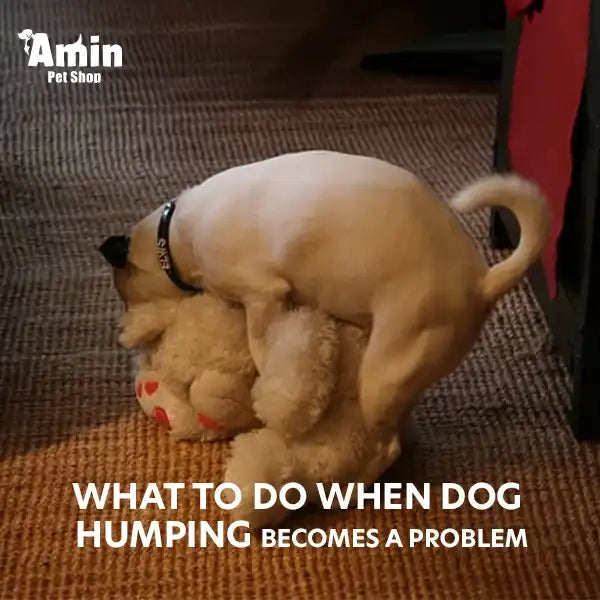
What to Do When Dog Humping Becomes a Problem?
Humping behavior in dogs may be normal in some cases, but it can become a troubling problem if it occurs frequently or at inappropriate times, especially when it targets people, other animals, or even objects. Dealing with this behavior can be frustrating for dog owners, but with the right strategies, it can be reduced or eliminated completely.
If humping persists despite training and behavior modification attempts, it's best to consult a veterinarian to rule out health issues such as urinary tract infections or glandular disorders. If there's no medical cause, it may be helpful to work with a professional trainer or dog behaviorist to develop a personalized training plan and dog vet food that suits your dog's needs.
Conclusion
Ultimately, How to get your dog to stop humping? requires patience and proper guidance. By identifying the underlying cause, providing appropriate training, and encouraging positive behaviors, you can help your dog break this unwanted habit. Remember that positive reinforcement and gentle discipline are key to achieving effective results. If the behavior persists despite your efforts, it may be helpful to consult a veterinarian or dog behaviorist. With time and attention, you'll be able to guide your dog toward calmer, more disciplined behavior.
Ready to start building better habits at home? Explore our training sets at Amin Pet Shop for everything you need to reinforce obedience commands and redirect your dog's energy positively.
Frequently Asked Questions
Is it good or bad for dogs to hump?
Humping is not inherently good or bad. It is a normal behavior in many dogs and may occur during play, excitement, or social interactions. However, if it becomes excessive, obsessive, or occurs in inappropriate situations, it may indicate an underlying behavioral or medical issue that should be addressed.
Is dog humping a sign of aggression or dominance?
Not necessarily. While some dogs may hump to assert social status, the behavior is more commonly linked to excitement, stress, anxiety, attention-seeking, or excess energy. Understanding the trigger is essential for choosing the most effective training approach.
Will neutering stop my dog from humping?
Neutering may reduce humping if the behavior is driven by hormones or sexual motivation. However, if humping has become a learned habit or is caused by excitement, stress, or attention-seeking, behavioral training and environmental management will still be necessary.
When should I seek professional help for dog humping?
If your dog continues humping despite consistent training, or if the behavior becomes excessive, compulsive, or is accompanied by signs of illness, consult your veterinarian or a certified dog behaviorist. They can rule out medical conditions and develop a personalized behavior modification plan.