
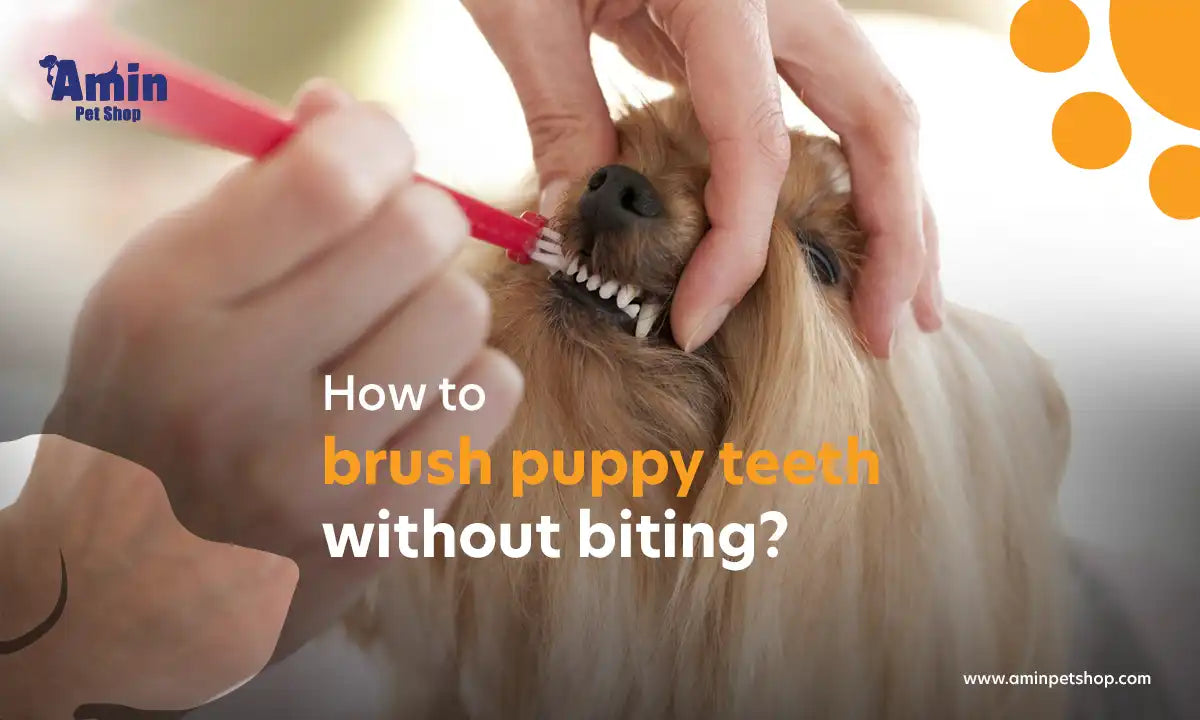
How to brush puppy teeth without biting? How often should you clean their teeth, and what products should you use? Just like humans, dogs can develop dental problems, including gingivitis and periodontal disease, if their teeth are not cleaned regularly.
Establishing a proper dental care routine from an early age can help prevent plaque buildup, maintain healthy gums, and protect your puppy's overall oral health.
How to Brush Puppy Teeth Without Biting?
Learning how to brush puppy teeth without biting requires patience, consistency, and positive reinforcement. You can start introducing your puppy to gentle mouth handling at a young age, even before beginning a full brushing routine.
Here are some practical tips to make the process easier.
Develop Cleaning Habits
-
Start Young: Begin introducing dental care early, around 3–4 months or sooner with gentle handling, to help your puppy become familiar with the routine.
-
Go Slow: Start by gently touching your puppy's lips and gums for a few seconds before introducing a toothbrush.
-
Gradually Introduce Brushing: Focus on the outer surfaces of the teeth and gently brush along the gumline as your puppy becomes more comfortable.
-
Keep Sessions Short: Begin with a few seconds and gradually increase the brushing time as your puppy becomes more cooperative.
Using Positive Reinforcement
Positive reinforcement helps your puppy associate toothbrushing with a comfortable and rewarding experience.
-
Use Small Treats: Offer puppy-appropriate dog treats after short, successful brushing sessions.
-
Reward Good Behaviour: Praise your puppy whenever they remain calm or allow you to touch their mouth.
-
Stay Consistent: Practice regularly to help your puppy become familiar with the routine.
Avoid forcing your puppy's mouth open or continuing if they become frightened or aggressive.
Use the Right Equipment
Using suitable dental care tools can make brushing safer and more comfortable.
-
Dental Wipes or Sponges: These can help puppies become familiar with gentle cleaning before transitioning to a toothbrush.
-
Soft Toothbrush: Choose a toothbrush designed specifically for dogs, with soft bristles suitable for sensitive gums.
-
Dog-Safe Toothpaste: Always use toothpaste formulated for dogs. Human toothpaste may contain ingredients that are harmful to pets.
-
Have a Helper: Another person can gently reassure and reward your puppy while you focus on brushing.
Introducing these tools gradually can help establish healthy oral hygiene habits and reduce resistance during brushing.
5 Science Facts About Why You Should Brush Your Dog's Teeth
Regular brushing is an essential part of maintaining your dog's oral health. Here are five important reasons why dental care matters.
1. Plaque Builds Up Quickly in Dogs
Bacteria naturally accumulate on dogs' teeth and form plaque. Without regular cleaning, plaque can harden into tartar, which is more difficult to remove.
Brushing helps remove plaque before it develops into hardened deposits.
2. Periodontal Disease Is Common in Dogs
Dental disease is one of the most common health problems affecting dogs. Many develop signs of periodontal disease by adulthood, particularly without consistent oral care.
Regular brushing helps reduce plaque accumulation and supports healthier gums.
3. Gum Inflammation Can Affect Oral Health
When plaque and tartar accumulate, bacteria can irritate the gums, leading to inflammation and potentially more serious periodontal problems.
Maintaining good dental hygiene helps protect the tissues supporting your dog's teeth.
4. Oral Health Is Connected to Overall Well-Being
Poor dental health can cause pain, inflammation, and discomfort. Advanced periodontal disease may also be associated with wider health complications.
Preventive dental care and regular veterinary examinations help maintain your dog's quality of life.
5. Tooth Loss Can Affect Eating Habits
Dental disease can eventually lead to loose or missing teeth, making chewing uncomfortable and affecting your dog's eating habits.
Consistent brushing helps preserve healthy teeth and supports comfortable eating.
How to Prevent Dental Problems?
Preventing dental problems begins with introducing a consistent oral hygiene routine while your puppy is young.
The most effective approach combines regular brushing, appropriate nutrition, and veterinary dental examinations.
Maintaining oral hygiene is also an important part of regular dog grooming , alongside coat brushing, nail trimming, and ear cleaning.
To help prevent dental problems:
-
Brush your puppy's teeth regularly using a soft toothbrush and dog-safe toothpaste.
-
Introduce dental care gradually through positive reinforcement.
-
Choose appropriate dental chews when recommended for your puppy's age and size.
-
Schedule regular veterinary dental examinations.
-
Watch for signs of dental problems, including bad breath, swollen gums, or difficulty chewing.
With patience and consistency, your puppy can become more comfortable with toothbrushing as part of their daily routine.
Essential Products for Puppy Dental Care
Choosing suitable dental care products can make brushing your puppy's teeth easier and help establish a consistent oral hygiene routine. At Amin Pet Shop, you can explore useful products and accessories for your puppy's dental care.
-
Nunbell Toothbrush for Cats & Dogs : A pet toothbrush option for introducing gentle, regular teeth cleaning.
-
Nunbell Dental Care Kit Toothpaste : A pet dental care kit that can help support your dog's oral hygiene routine.
-
Dog Treats : Explore puppy-appropriate treats to reward calm behaviour and encourage cooperation during brushing.
-
Dog Grooming & Healthcare : Discover grooming and healthcare essentials to support your dog's everyday care.
Always check product labels and age recommendations before introducing dental care products to your puppy.
When Should I Brush My Dog's Teeth?
The earlier you introduce your puppy to gentle dental care, the easier it may become to maintain a consistent brushing routine.
Daily brushing is recommended whenever possible , as it helps control plaque before it hardens into tartar.
You can begin familiarising your puppy with mouth handling at a young age and gradually introduce a suitable toothbrush and dog-safe toothpaste.
For effective brushing:
-
Aim to brush your dog's teeth daily.
-
Begin with short sessions and gradually increase the duration.
-
Focus on the outer tooth surfaces and gumline.
-
Replace worn toothbrushes regularly.
-
Schedule routine veterinary dental checkups.
Consistency is more important than forcing a long brushing session before your puppy feels comfortable.
Does My Dog Need to Have Their Teeth Brushed?
Yes, regular toothbrushing is an important part of maintaining your dog's dental health.
Dogs can develop plaque, tartar, gingivitis, and periodontal disease, just like humans. Without proper oral hygiene, these conditions may lead to discomfort, bad breath, and tooth loss.
Learning how to brush puppy teeth without biting can help you establish a healthy routine early and reduce the likelihood of dental problems later in life.
Although dental chews and specially formulated diets may provide additional support, they should not replace regular brushing and veterinary dental care.
How Can I Get Plaque Off My Dog's Teeth?
The most effective way to remove soft plaque from your dog's teeth at home is through regular brushing with a dog-safe toothbrush and toothpaste.
Additional dental care options include:
-
Enzymatic Toothpaste: Dog-specific enzymatic toothpaste may help control plaque when used with regular brushing.
-
Dental Chews: Certain dental chews can help reduce plaque accumulation through mechanical chewing action.
-
Dental Wipes: These may provide an alternative for dogs that are still adjusting to toothbrushing.
-
Professional Dental Cleaning: Hardened tartar generally requires professional removal by a veterinarian.
Choosing the best tartar remover for dogs can help you understand the different dental care options available, including toothbrushes, toothpaste, and dental chews.
Remember that dental products are most effective when combined with regular brushing and veterinary care.
What Happens When You Don't Care for Your Puppy's Teeth?
Neglecting your puppy's dental hygiene can lead to several oral health problems over time.
Common consequences include:
-
Plaque and Tartar Buildup: Bacteria accumulate on the teeth and may form hardened deposits.
-
Gum Inflammation: Redness, swelling, and bleeding may develop as periodontal disease progresses.
-
Persistent Bad Breath: Unpleasant breath can indicate underlying dental problems.
-
Tooth Damage and Loss: Advanced dental disease can weaken the tissues supporting the teeth.
-
Difficulty Chewing: Dental pain may make eating uncomfortable.
-
Behavioural Changes: Dogs experiencing oral discomfort may become less playful or show reduced appetite.
If your puppy develops persistent bad breath, bleeding gums, loose teeth, or difficulty eating, consult a veterinarian for an examination.
Learning how to brush puppy teeth without biting is an important step toward preventing these problems and maintaining healthier teeth and gums.
Conclusion
Learning how to brush puppy teeth without biting takes patience, consistency, and the right dental care products. By introducing brushing gradually, using positive reinforcement, and maintaining regular veterinary checkups, you can help protect your puppy's oral health.
At Amin Pet Shop , you can explore toothbrushes, pet toothpaste, grooming accessories, and other essentials to make your puppy's daily dental care routine easier.
Shop Dog Grooming & Healthcare Products Now
FAQs
Do Carrots Clean Dogs' Teeth?
Carrots may provide some chewing activity, but they cannot replace regular toothbrushing. While appropriately sized carrot pieces can be offered as occasional treats, they are not a reliable method for removing plaque or preventing dental disease. Always supervise your dog while chewing.
What Foods Help Clean Dogs' Teeth?
Certain veterinary dental diets and specially designed dental chews may help reduce plaque accumulation. However, regular brushing with dog-safe toothpaste remains the most effective home dental care method. Avoid offering hard bones or other items that could damage your dog's teeth.
Is It Bad That I've Never Brushed My Dog's Teeth?
Not brushing your dog's teeth can increase the risk of plaque buildup, gum inflammation, and periodontal disease. However, you can begin introducing dental care gradually at any age. If your dog has visible tartar, bleeding gums, or bad breath, consult a veterinarian before starting a brushing routine.
How Often Should I Brush My Puppy's Teeth?
Ideally, you should brush your puppy's teeth every day using a soft toothbrush and dog-safe toothpaste. Start with short, gentle sessions and gradually build a consistent routine. Regular brushing helps remove plaque and supports healthier teeth and gums as your puppy grows.