
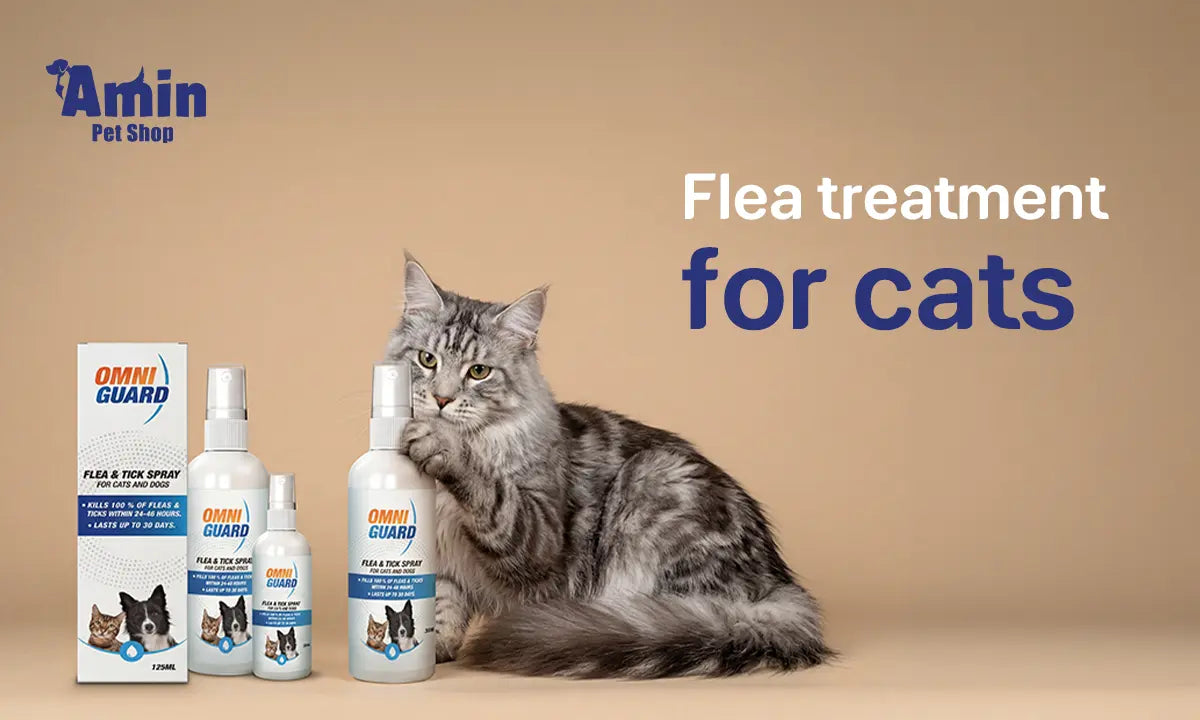
Fleas are one of the most common and stubborn problems to deal with, especially in warmer climates, however, the right flea treatment for cats can solve this quickly and keep it from coming back. This guide walks you through everything, what causes fleas, how to spot them, which treatments actually work, what's safe for kittens and pregnant cats, and where to find trusted products right here in Egypt.
What causes fleas in cats?
You might wonder how an indoor cat even gets fleas. The truth is, fleas are opportunistic hitchhikers. They jump onto your shoes and clothes when you're outside, travel on other pets, slip through window screens, or even come in on cardboard boxes and shopping bags. Fleas don't need an invitation, they just need a warm body.
A single female flea can lay up to 50 eggs a day, which means a small problem can become a full-blown infestation within weeks. Eggs fall off your cat and settle into carpets, furniture, and bedding, where they hatch and restart the cycle. That's why flea treatment for cats on only your cat is never quite enough, you have to think about the whole environment.
A flea infestation isn't just a cat problem, it's a home problem. Treating your cat is the first step, but not the last.
Signs your cat has fleas and How to get rid of?
Cats are good at hiding discomfort, so fleas can go unnoticed for a while. Signs of this problem include:
-
Scratching (particularly at neck/head/tail) excessively or attempting to chew hair at these areas.
-
Small red bumps or scabs on the skin.
-
Hair loss in patches from over-grooming.
-
Tiny dark specks in the fur, this is "flea dirt," which is actually flea feces.
-
Restlessness or unusual agitation.
-
Pale gums in severe cases (a sign of anemia from blood loss, especially in kittens).
To confirm the need for flea treatment for cats, try the "white towel test": comb your cat over a damp white towel. If reddish-brown specks appear and dissolve into a rust color when wet, that's flea dirt and your cat has fleas.
Getting rid of them requires a two-pronged approach: treat the cat directly with a vet-approved flea product, and treat your home simultaneously. Vacuum every corner, wash all bedding on a hot cycle, and use an environmental spray or fogger. Without treating both, you'll keep reinfesting your cat from the environment.
Learn about: flea and tick treatment for dogs

Different types of flea treatment for cats
There's no shortage of flea treatment for cats options these days. Here's a breakdown of the most common types so you can choose what fits your cat's lifestyle and your own comfort level:
Spot-On Treatments
Applied directly to the skin at the back of the neck, these are among the most effective options. Once absorbed, they wipe out fleas on contact and keep working for a solid month.
Learn more about: Broadline Spot-On Solution for Small Cats
Broadline Spot-On Solution for Large Cats
Oral Flea Pills:
Pop one of these in and fleas start dying within hours, some knock them out in under 30 minutes. Great for cats that resist topical treatments.
Flea Shampoos:
Useful for a quick knockdown of a heavy flea load. Not a long-term solution on their own, best used as a first step alongside other treatments.
Flea Collars:
Modern medicated collars (like Seresto) offer months of continuous protection. Older chemical collars are less reliable, go for reputable brands.
Flea Sprays:
Used on both the cat and around the home. Good as a supplementary treatment or for environmental control. Choose cat-safe formulas.
Learn more about: Omni Guard Flea + Tick Home Spray 500ml
Flea Combs:
A flea comb won't eliminate an infestation but is excellent for monitoring, removing debris, and checking if treatment is working.
When choosing a product, always check that it's specifically labeled for cats. Many dog flea treatments contain permethrin, which is highly toxic to cats and can be fatal even in small amounts.
Flea treatment pregnant cats
Cats that are pregnant or still nursing require extra thought before applying any flea treatment. Certain chemical compounds can slip into breast milk or reach the developing kittens through the placenta. Until you've spoken with your vet, keep any off-the-shelf flea product away from your cat during this period.
That said, leaving a pregnant cat heavily infested is equally dangerous, fleas cause anemia, stress, and can transmit tapeworms, all of which affect both the mother and her unborn kittens.
Your vet may recommend a small number of flea treatment for cats products that are considered low-risk during pregnancy, such as:
-
certain pyrethrin-based shampoos used sparingly.
-
products with specific safety profiles.
-
Revolution (selamectin) is sometimes used under veterinary guidance in pregnant cats, but always confirm first.
The safest approach is a fine-toothed flea comb used daily combined with thorough environmental cleaning until your vet clears a product for use.
Safe Flea Treatment for Cats: Especially Kittens
This is where cat owners need to be especially careful. Most flea treatment for cats are not safe for kittens under 8–12 weeks of age. Since their liver isn't fully mature yet, breaking down certain chemicals just isn't something their bodies can handle the same way a grown cat's can.
flea treatment cats safe kittens
-
Fine-toothed flea combs dipped in soapy water, the safest method for very young kittens.
-
Warm baths with a tiny amount of mild dish soap, followed by careful drying.
-
Capstar (nitenpyram), often considered safe from 4 weeks and over 2 lbs, but confirm with a vet.
-
Revolution is sometimes recommended from 6 weeks under vet supervision.
The flea treatment for cats safe for kittens label is something you should look for explicitly on any product packaging. If a product doesn't specify it's safe for kittens, assume it is not. When in doubt, call your vet, a five-minute consultation can save a kitten's life.
For flea treatment indoor cats specifically, the priority is breaking the indoor flea lifecycle: treating your cat, washing all soft furnishings, and vacuuming daily for at least two weeks. Since indoor cats aren't constantly re-exposed outdoors, you can often get on top of it faster than you'd expect.
How often should you treat your cat?
How often should you treat your cat depends entirely on the product you're using and your cat's lifestyle:
-
Spot-on treatments: typically every 4 weeks.
-
Oral treatments like Capstar: work within hours but only last 24–48 hours, best combined with a longer-acting product.
-
Monthly pill-based preventatives: once a month, same day each month.
-
Flea collars: follow the packaging, some last 4 months, some up to 8.
-
Shampoos: as needed for acute infestations, not as a standalone routine.
The biggest mistake people make is stopping flea treatment for cats once they stop seeing fleas. Flea eggs in your environment can take up to three months to fully hatch and die off. Keep treating your cat consistently even after visible fleas are gone, typically for at least three months after the last sighting.
Tips to prevent future flea infestations
Treating an active flea problem is one thing, making sure it doesn't happen again is another. A few simple habits go a long way with flea treatment for cats:
-
Keep your cat on a monthly preventative year-round, not just in summer.
-
Vacuum carpets, rugs, and upholstered furniture at least twice a week, and dispose of the bag or empty the canister outside immediately.
-
Wash your cat's bedding weekly in hot water (above 60°C kills all life stages of fleas)
-
If you have a dog, treat both pets simultaneously, fleas move freely between hosts.
-
Check secondhand furniture and rugs before bringing them indoors.
-
Keep outdoor areas tidy; tall grass and leaf piles are prime flea habitats.
-
Use a flea comb once a week as a quick monitoring tool, especially if your cat goes outdoors.
For indoor cats, prevention is mostly about keeping the environment clean and staying consistent with a preventative product. You may feel like you're treating for fleas that don't exist, and that's exactly the point.
Best shop to buy treatment products for cat flea
Finding reliable, vet-quality flea treatment for cats products in Egypt used to mean hunting through multiple shops or importing online. That's changed. Amin Pet Shop has become one of the most trusted sources for cat health products in Egypt — and for good reason.
Find the Right Flea Treatment For Your Cat at Amin Pet Shop
Trusted products, expert guidance, and fast delivery across Egypt. Your cat deserves the best care.
Shop Cat Flea & Tick Treatments
Amin Pet Shop stocks a carefully curated range of flea treatments for cats from spot-ons and oral tablets to flea collars and environmental sprays. Everything we have is sourced from reputable manufacturers, so you're not guessing about what you're putting on your cat.
Conclusion
Dealing with fleas is annoying, no question, but it's far from a lost cause if you tackle it properly. Catch it early, pick flea treatment for cats that actually fits your cat's circumstances (a nursing mother needs something very different from a healthy adult), and don't let your guard down once the worst seems to be over.
Shortcuts tend to backfire. Products formulated for dogs can genuinely harm a cat, and cutting treatment short almost guarantees the problem circles back. See it through completely, hit both your pet and your home at the same time, and buy from sources you actually trust.
If you're in Egypt and need reliable flea treatment products, Amin Pet Shop has everything you need with the quality and guidance to back it up. Your cat will thank you.
FAQ
Do cats have fleas in Egypt?
Yes, and cats get fleas quite easily in Egypt. Egypt's heat and humidity create near-perfect conditions for fleas to stay active throughout the entire year. This sets it apart from colder regions, where fleas tend to die off in winter. Keeping your cat on a year-round flea prevention routine is genuinely the safest approach here.
What is the most effective flea treatment for a cat?
The treatments that tend to deliver the strongest results are vet-approved spot-ons and prescription oral options, mainly because they work through the bloodstream and offer lasting coverage.
What kills fleas on cats immediately?
If you need quick results, nitenpyram, commonly sold as Capstar, is an oral tablet that kicks in within half an hour and clears most fleas within a few hours. A bath using a tiny amount of dish soap can also wash fleas off the coat fairly quickly, though it wears off fast and won't keep fleas away on its own.